Seeking SI Joint Pain Treatment? Here’s Why Preparation Matters
If you feel low back pain that sits near your pelvis, you may have sacroiliac joint pain. The sacroiliac joint is where your spine connects to your hip bones. This joint should act like a shock absorber between two bones. When it does not move well, or moves too much, you can develop sacroiliac joint dysfunction and lasting joint pain.
Preparation matters because SI joint pain treatment starts with the right diagnosis. Studies show the SI joint can cause up to 30% of low back pain cases. Many people get treated for the lumbar spine or the hip when the real problem sits in the SI joint. That can waste time, money, and energy. It can also leave you in chronic pain longer than you should be.
When you arrive prepared, you help us spot patterns in your pain symptoms. Tell us if pain increases with prolonged sitting, long periods in one position, climbing stairs, or standing on one leg. Share if you have radiating pain into the buttock, groin, or upper legs. Tell us about a traumatic injury, pregnancy, or inflammatory conditions like ankylosing spondylitis. This patient information guides our physical exam and our differential diagnosis.
Clear details also help us choose the best SI pain joint treatment plan. Many patients start with conservative treatment like physical therapy, specific exercises, and strengthening exercises for the core and lower body. Some patients need pain relievers, a sacroiliac belt, or joint injections such as corticosteroid injections with local anesthetic and steroid medication to reduce inflammation and relieve pain.
We know pain is stressful. At VeriSpine Joint Centers, our pain management specialists listen first, then we act with a plan that fits your symptoms and your goals.
Understanding SI Joint Pain Symptoms and Causes
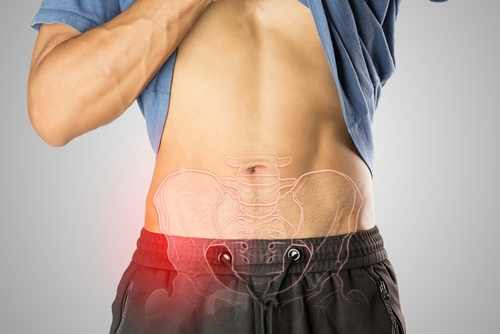
SI joint pain can feel confusing because it sits where the spine connects to the pelvis. At VeriSpine Joint Centers, our pain management specialists talk with many clients who worry they have “back pain,” but the real problem is sacroiliac joint dysfunction. A clear picture of the sacroiliac joint helps you explain your pain symptoms and start the right si joint pain treatment.
Symptoms of SI Joint Pain
Sacroiliac pain often shows up as low back pain below the L5 area. Many people feel radiating pain into the buttocks, hips, groin, or the upper legs. Symptoms often get worse with prolonged sitting, long periods in one position, climbing stairs, or standing on one leg. Some people describe sharp pain. Others report a dull ache that becomes chronic pain. Common causes include pregnant women who have loosened ligaments, a traumatic injury like a fall or crash, or inflammatory conditions such as ankylosing spondylitis.
SI Joint Pain vs Lower Back Pain: Key Differences
SI joint pain usually stays in a small, specific spot you can point to with one finger. It often lacks numbness or tingling, which can suggest a lumbar spine nerve issue instead. Activities that load one side of the pelvis, like stepping up or shifting weight to one leg, can quickly flare symptoms. A provider can use this pattern to guide a focused physical exam and next-step SI joint pain treatment options.
SI Joint Pain Diagnosis: Your First Appointment
At VeriSpine Joint Centers, we know sacroiliac joint pain can feel scary, especially when it affects work, sleep, and daily life. Your first visit focuses on finding the real source of pain. The sacroiliac joint sits where the spine connects to the pelvis and hip bones, so symptoms can look like other joint dysfunction. A clear diagnosis helps us start the right SI joint pain treatment and avoid wasted time.
Physical Examination and Provocative Tests Of The SI Joint
Your provider will start with a physical exam and questions about your pain symptoms, including radiating pain, prolonged sitting, climbing stairs, or standing on one leg. Then we use provocative tests that stress the si joint in a controlled way. Common maneuvers include FABER, compression, distraction, thigh thrust, and Gaenslen. If three or more tests reproduce your usual sacroiliac pain, that often points to sacroiliac joint dysfunction as the cause of your low back pain.
Ruling Out Other Causes For Your Pain: Differential Diagnosis
Next, we do a differential diagnosis. Our pain management specialists check for hip joint problems, lumbar spine conditions, and inflammatory conditions like ankylosing spondylitis. We may watch your gait and use the Fortin Finger Test, where you point to the exact spot. This matters because hip pain, spine pain, and SI joint pain can overlap, especially after a traumatic injury.
Role of Imaging and Diagnostic Injections In SI Joint Pain Treatment
Imaging tests can help rule out red flags. An X-ray may show joint changes or fractures. A CT scan can show bone detail. Magnetic resonance imaging (MRI) can show inflammation and soft tissue findings. Still, imaging studies do not always prove SI joint dysfunction. For confirmation, we may recommend diagnostic SI joint injections using a local anesthetic. If you get clear pain relief right after the injection, it supports the sacroiliac joint as the pain source.

Physical Therapy and Non-Surgical SI Joint Pain Treatment Options
At VeriSpine Joint Centers, our pain management specialists usually start SI joint pain treatment with conservative treatment. This approach aims to reduce inflammation, calm pain signals, and improve how the sacroiliac joint moves and supports the pelvis. Many people get meaningful pain relief without surgery. If your sacroiliac pain started after a traumatic injury, we also encourage you to document symptoms and care, because records can matter later.
Physical Therapy as the Foundation For Pain Management
Physical therapy is the most common SI joint pain treatment procedure for sacroiliac joint dysfunction. A physical therapist will focus on specific exercises that stabilize the joint where the spine connects to the hip bones. You can expect stretching for tight muscles like the piriformis, hamstrings, and glutes. You can also expect strengthening exercises for the core, abdominals, and lower body so the pelvis acts more like a steady shock absorber.
These steps often reduce radiating pain into the buttock, groin, or one leg. They also help when pain worsens with prolonged sitting, climbing stairs, or staying in one position.
Pain Relief Medications and Sacroiliac Belt Support
Many patients use over-the-counter pain relievers, such as NSAIDs like ibuprofen or naproxen, to reduce inflammation and relieve pain. Your provider may discuss other options if you have kidney, stomach, or bleeding risks.
A sacroiliac belt can add support by limiting painful motion between the two bones of the joint. Some patients also benefit from hands-on care. Manual manipulation by a physical therapist or chiropractor can help if the joint is too stiff, but providers should avoid it if the joint is too loose.
Injections and Advanced Non-Surgical Options For SI Joint Pain Treatment
If conservative treatment and physical therapy do not give enough pain relief, we often discuss the next steps for SI joint pain treatment. Many patients reach this point after a traumatic injury, long periods of prolonged sitting, or ongoing inflammatory conditions. Our goal at VeriSpine Joint Centers is to reduce inflammation, calm pain signals, and help you return to normal movement without jumping straight to surgery.
SI Joint Injections
SI joint injections place medication inside the sacroiliac joint, where the spine connects to the pelvis between two bones near the hip bones. A provider usually uses imaging studies like fluoroscopy, X-ray, or CT scan for accurate placement. Most injections include a local anesthetic and a steroid medication, often called corticosteroid injections.
These injections can serve two purposes. First, they can help confirm sacroiliac joint dysfunction if your pain symptoms improve after the numbing medicine. Second, they can provide relief by lowering inflammation. Many people feel less sacroiliac pain within days, and that window can help you restart strengthening exercises with a physical therapist.
Radiofrequency Ablation If Pain Persists
If sacroiliac joint pain keeps coming back, radiofrequency ablation may help. This procedure uses radiofrequency energy to limit nerve pathways that carry pain signals from the SI joint. It does not fix joint dysfunction, but it can provide longer term relief so you can keep building strength in your lower body and core.
SI Joint Pain Treatment Pathway
We usually follow a step-by-step plan: physical therapy and pain relievers first, then joint injections, then ablation for persistent or severe cases. Providers limit how many steroid injections you receive each year to reduce side effects.
When to Consider SI Joint Fusion Surgery
We know surgery can feel like a big step. At VeriSpine Joint Centers, our SI joint doctors only discuss SI joint fusion after our pain management specialists confirm sacroiliac joint pain and you have already tried the most common treatment options. Our goal stays the same: relieve pain, restore function, and help you return to normal life with less fear of triggering pain symptoms.
SI joint fusion is for severe cases of chronic pain from sacroiliac joint dysfunction that does not improve with conservative treatment. This usually means you completed a course of physical therapy, tried pain relievers, activity changes, and often SI joint injections such as corticosteroid injections with a local anesthetic.
We also consider fusion when the sacroiliac joint shows ongoing joint dysfunction or instability, including some patients who developed sacroiliac pain after a prior lumbar spine or lumbar fusion procedure. Your diagnosis should come from a strong workup, including a physical exam, possible imaging tests like x ray, CT scan, or magnetic resonance imaging, and a response to diagnostic injections. This differential diagnosis step matters because hip and spine problems can mimic SI joint pain.
Minimally Invasive SI Joint Fusion Procedures
Modern fusion is often minimally invasive. The surgeon places small implants, often titanium or allograft, through a small incision. This approach limits tissue damage and can reduce recovery time compared to open surgery. Many patients go home the same day or after a short stay, depending on overall health and pain control.
Expected Outcomes SI Joint Fusion Surgery
The best outcomes happen when we pick the right patient and confirm the SI joint as the pain source. Many people report meaningful, long term pain relief, better stability in the pelvis, and improved walking, sitting, and climbing stairs. You will still need rehab and strengthening exercises after surgery to protect the lower body and core.
Questions to Ask Your SI Joint Pain Treatment Specialist:
- What risks apply to me, including infection, nerve irritation, or failed pain relief?
- What is my recovery timeline for work, driving, and physical therapy?
- Will I still need injections or other treatments later?
- How will you measure success after SI joint fusion?
At VeriSpine Joint Centers, our pain management specialists treat SI joint pain like a case that needs good facts. The sacroiliac joint sits where the spine connects to the pelvis, between two bones near the hip bones. When sacroiliac joint dysfunction sends pain signals, details matter. If you come prepared, our pain management specialists can move faster from a clear differential diagnosis to the best SI joint pain treatment, whether that is conservative treatment, physical therapy, or SI joint injections.
Frequently Asked Questions About SI Joint Pain
Does SI joint pain mean nerve damage?
Usually no. Sacroiliac joint pain often comes from joint dysfunction, not nerve compression in the lumbar spine. Our pain management specialists still check for nerve-related signs during your physical exam.
Are these SI joint pain treatments safe for pregnant women?
Many are. Physical therapy, specific exercises, and a sacroiliac belt are common first steps. We avoid options that do not fit your stage of pregnancy.
How long does it take to get relief doing these SI joint pain treatments?
Some people feel pain relief within weeks with strengthening exercises and other non invasive care. Others need pain relievers, joint injections with corticosteroid injections and a local anesthetic, or radiofrequency ablation for longer term relief.
Is SI joint fusion a last resort?
Yes. SI joint fusion is for severe cases after other SI joint pain treatment options fail, including physical therapy and SI joint injections. Our pain management specialists will explain benefits, risks, and expected long term benefits in plain language.
Verispine Joint Centers: Helping You Through Your SI Joint Pain Treatment Process
At VeriSpine Joint Centers, we treat you like a client we must protect and guide through every step of SI joint pain management. SI joint pain can feel scary, especially when it spreads as radiating pain into the buttock, groin, or one leg. Effective management starts with understanding your condition, and your first visit should give you clear answers and a comprehensive plan for pain relief. Use these questions to keep the conversation focused and to help your provider confirm whether your sacroiliac joint dysfunction is the true cause of your low back pain.
Prepare for Your First Visit For A Better SI Joint Pain Treatment Process
Bring short notes about your pain symptoms to support better SI joint pain management. Write down triggers like prolonged sitting, long periods in one position, and climbing stairs. This patient information helps your provider connect the dots during a physical exam and physical examination, allowing for more targeted management strategies.
Document when your SI joint pain is worst such as morning stiffness, after exercise, or during specific movements. Note any previous treatments you’ve tried and their effectiveness. This detailed history is essential for developing a personalized management approach that addresses your unique pain patterns.
Set Clear Goals for SI Joint Pain Relief
Finally, ask how you will measure progress in managing your SI joint pain. Clear goals help you relieve pain and regain safe movement in your upper body and legs. Discuss realistic timelines for improvement and what benchmarks indicate successful management. Understanding these milestones ensures you and your provider stay aligned on your path to recovery, making SI joint pain management more effective and less overwhelming.
Contact us by calling 678-782-7999, or filling out our contact form to help you in your SI joint pain treatment process. At VeriSpine Joint Centers, we’re committed to evidence-based management techniques that provide lasting relief from SI joint pain. Your journey toward comfort and mobility starts with that first conversation.