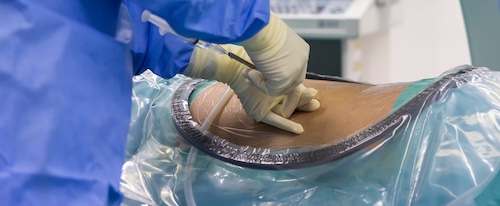
Discover Effective Techniques for Pain Relief

Understanding Modern Pain Management Approaches
Pain management has undergone a significant transformation in recent years. Rather than relying solely on oral medications that can have systemic side effects and limited effectiveness, modern interventional techniques target pain at its source. These approaches combine advanced imaging technology with precise delivery methods to provide relief exactly where you need it most.
The fundamental principle behind effective pain management is accurate diagnosis followed by targeted treatment. Pain specialists now use sophisticated diagnostic tools including fluoroscopy, ultrasound, and advanced imaging to pinpoint the exact source of your pain. This precision allows for treatments that are more effective, have fewer side effects, and provide longer-lasting results than traditional approaches.
Why Traditional Pain Management Falls Short
Many patients spend years cycling through various oral medications, experiencing limited relief while dealing with unwanted side effects like drowsiness, digestive issues, or cognitive impairment. While medications have their place in pain management, they often provide only temporary symptom relief without addressing underlying causes. Additionally, long-term use of certain pain medications can lead to tolerance, dependence, and diminishing effectiveness over time.
Traditional approaches also tend to treat pain reactively rather than proactively. By the time many patients seek specialized care, they’ve already endured months or years of discomfort, tried multiple medications, and may have developed compensatory movement patterns that create additional problems. Modern interventional techniques offer a more direct path to relief by targeting the specific structures causing pain.
Epidural Steroid Injections: Targeted Relief for Spine-Related Pain
Epidural steroid injections represent one of the most effective interventional techniques for managing spine-related pain. These precisely administered injections deliver powerful anti-inflammatory medication directly to the epidural space surrounding your spinal cord and nerve roots, providing targeted relief for conditions like herniated discs, spinal stenosis, and radiculopathy.
The procedure involves using advanced imaging guidance to ensure accurate placement of medication exactly where inflammation is causing your pain. Unlike oral medications that must circulate through your entire body before reaching the affected area, epidural injections deliver concentrated relief directly to inflamed tissues. This targeted approach means lower doses of medication, fewer systemic side effects, and more effective pain relief.
What Conditions Benefit from Epidural Injections
Epidural steroid injections prove particularly effective for neck and back pain that radiates into the arms or legs. If you experience shooting pain, numbness, or tingling that travels along nerve pathways, inflammation around spinal nerves may be the culprit. Conditions like herniated or bulging discs that press on nerve roots respond especially well to this treatment approach.
Spinal stenosis, a narrowing of the spinal canal that puts pressure on nerves, often causes significant discomfort that epidural injections can alleviate. Patients with degenerative disc disease, facet joint arthritis, or post-surgical spine pain also frequently experience substantial relief. The anti-inflammatory effects can reduce swelling around compressed nerves, allowing them to heal while providing you with the pain relief needed to participate in physical therapy and other rehabilitative treatments.
The Procedure and Recovery Process
Epidural steroid injections are performed as outpatient procedures, typically taking less than thirty minutes from start to finish. You’ll be positioned comfortably, and the injection site will be thoroughly cleaned and numbed with local anesthetic. Using fluoroscopic guidance, your pain management specialist carefully advances a small needle to the precise location in the epidural space where treatment is needed.
Once proper placement is confirmed, a combination of steroid medication and local anesthetic is injected. The local anesthetic often provides immediate pain relief, though this initial relief is temporary. The steroid medication begins working over the following days, with most patients experiencing significant improvement within one to two weeks. Many patients report relief lasting several months, and the treatment can be repeated if needed.
Facet Joint Injections: Addressing Arthritic Spine Pain
Facet joints are small joints located between and behind adjacent vertebrae, allowing your spine to bend and twist. Like any joint in your body, facet joints can develop arthritis, leading to inflammation, stiffness, and pain. Facet joint injections deliver medication directly into these joints or to the nerves supplying them, providing targeted relief for this common source of spine pain.
This technique is particularly valuable because facet joint pain can be difficult to distinguish from other types of back pain without proper diagnostic testing. Many patients who haven’t found relief with general pain management approaches discover that their discomfort originates specifically from facet joints. Once identified, these structures can be effectively treated with precisely placed injections.
Recognizing Facet Joint Pain
Facet joint pain typically presents as localized back or neck discomfort that worsens with certain movements, particularly extension or twisting. You might notice increased pain when arching your back, looking up, or rotating your spine. Unlike nerve pain that radiates into extremities, facet joint pain usually stays more localized to the spine, though it can sometimes refer to nearby areas like the shoulders, buttocks, or hips.
The pain often feels worse in the morning or after periods of inactivity, improving somewhat with gentle movement but worsening again with prolonged activity. Many patients report that their symptoms intensify with weather changes or after sitting or standing for extended periods. If these patterns sound familiar, facet joint injections might provide the relief you’ve been seeking.
Diagnostic and Therapeutic Benefits
Facet joint injections serve a dual purpose: they help diagnose whether facet joints are indeed the source of your pain while simultaneously providing therapeutic relief. When medication is injected directly into a facet joint or onto the medial branch nerves that supply sensation to these joints, your response to the injection helps confirm the diagnosis. If you experience significant pain relief following the injection, it confirms that facet joints are contributing to your symptoms.
The therapeutic effects typically develop over several days as inflammation subsides. Many patients experience relief lasting several months, allowing them to participate more fully in physical therapy and other strengthening activities. For patients who respond well to facet joint injections but whose pain returns, radiofrequency ablation of the medial branch nerves can provide even longer-lasting relief.
Nerve Blocks: Interrupting Pain Signals
Nerve blocks represent a powerful category of interventional pain management techniques that work by interrupting pain signals traveling from specific nerves to your brain. By delivering medication directly to targeted nerves, these procedures can provide dramatic relief for various pain conditions, from post-surgical pain to complex regional pain syndrome.
The beauty of nerve blocks lies in their versatility and precision. Different types of nerve blocks target different anatomical structures and pain patterns. Selective nerve root blocks address pain from specific spinal nerves, sympathetic nerve blocks treat certain types of neuropathic pain, and peripheral nerve blocks target nerves outside the spine that may be causing regional discomfort.
Types of Nerve Blocks and Their Applications
Selective nerve root blocks help diagnose and treat pain originating from a specific spinal nerve. These are particularly useful when imaging studies show multiple potential pain sources, and your physician needs to determine which nerve root is actually causing your symptoms. The diagnostic information gained from selective nerve root blocks often guides treatment decisions, including whether surgery might be beneficial and which specific level should be addressed.
Sympathetic nerve blocks target the sympathetic nervous system, which plays a role in certain chronic pain conditions like complex regional pain syndrome and some types of neuropathic pain. These blocks can help break cycles of chronic pain by interrupting abnormal nerve signaling and reducing inflammation. Stellate ganglion blocks treat upper extremity and facial pain, while lumbar sympathetic blocks address lower extremity symptoms.
Peripheral nerve blocks target specific nerves outside the central nervous system that may be compressed, injured, or otherwise causing pain. These can provide relief for conditions like occipital neuralgia, causing severe headaches, or pudendal neuralgia, affecting the pelvic region. Intercostal nerve blocks help manage rib and chest wall pain, while various other peripheral blocks address pain in specific anatomical regions.
What to Expect During and After Nerve Block Procedures
Nerve block procedures are typically performed with imaging guidance to ensure precise medication placement. The area will be cleaned and numbed with local anesthetic, and you may receive mild sedation to help you relax, though you’ll remain conscious enough to communicate with your physician throughout the procedure.
Using fluoroscopy or ultrasound guidance, your pain specialist carefully advances a small needle to the target nerve or nerve bundle. Once proper placement is confirmed, medication is injected, usually a combination of local anesthetic and steroid. You may experience immediate numbness or weakness in the area supplied by the blocked nerve, which is normal and temporary.
The immediate pain relief you experience from the local anesthetic helps confirm that the correct structure was targeted. This diagnostic relief typically lasts a few hours, after which your baseline pain may return temporarily. The steroid component begins working over the following days, with many patients experiencing progressive improvement over one to two weeks. The duration of relief varies depending on the type of nerve block and individual patient factors, but many patients enjoy months of reduced pain.
Radiofrequency Ablation: Long-Term Relief Through Nerve Modification
Radiofrequency ablation, also called radiofrequency neurotomy, offers one of the most durable interventional pain relief options available. This advanced technique uses heat generated by radio waves to temporarily disable specific nerves that transmit pain signals, providing relief that can last six months to over a year in many patients.
The procedure is particularly effective for facet joint pain and sacroiliac joint pain that has responded well to diagnostic nerve blocks. Unlike injections that provide temporary relief, radiofrequency ablation creates a longer-lasting interruption in pain signal transmission. The treated nerves eventually regenerate, but this process takes many months, during which patients experience significant pain relief.
How Radiofrequency Ablation Works
Radiofrequency ablation targets specific sensory nerves that carry pain signals from painful joints or other structures to your brain. The procedure involves placing a specialized needle near the target nerve using precise image guidance. Once proper positioning is confirmed, a radiofrequency current is passed through the needle, creating heat that carefully ablates the nerve.
The heat disrupts the nerve’s ability to transmit pain signals without affecting motor nerves that control muscle function. This specificity means you maintain normal movement and strength while experiencing significant pain relief. The procedure is carefully controlled to create a precise lesion that interrupts pain signaling while minimizing any effects on surrounding tissues.
Ideal Candidates for Radiofrequency Ablation
The best candidates for radiofrequency ablation are patients who have experienced significant pain relief from diagnostic nerve blocks but whose pain has returned after the temporary effects wore off. This positive response to diagnostic blocks predicts a high likelihood of success with radiofrequency ablation.
Common conditions treated with radiofrequency ablation include chronic facet joint pain in the neck or back, sacroiliac joint pain, and certain types of knee pain from arthritis. Patients who have not found adequate relief from conservative treatments, physical therapy, or medication often discover that radiofrequency ablation provides the breakthrough they need.
The procedure is performed as an outpatient treatment with minimal recovery time. Most patients resume normal activities within a few days, though you should avoid strenuous activity for about a week. The full benefit of the treatment typically develops over two to three weeks as inflammation from the procedure subsides and the ablated nerves cease transmitting pain signals.

Joint Injections: Direct Relief for Arthritic Pain
Joint injections deliver medication directly into painful joints, providing relief for arthritis, injury-related inflammation, and various joint conditions. These procedures can be performed on virtually any joint in the body, from large joints like knees, hips, and shoulders to smaller joints in the hands, feet, and spine.
The direct delivery of anti-inflammatory medication into the joint space allows for maximum therapeutic benefit with minimal systemic medication exposure. Joint injections can reduce inflammation, decrease pain, and improve mobility, often allowing patients to participate more effectively in physical therapy and strengthening exercises that provide long-term benefits.
Common Joints Treated with Injections
Knee injections are among the most common joint procedures, providing relief for osteoarthritis, meniscus tears, and other knee conditions. The knee’s large joint space makes it an ideal candidate for injections, and many patients experience significant improvement in pain and function following treatment. Both corticosteroid injections and viscosupplementation with hyaluronic acid can benefit knee arthritis sufferers.
Shoulder injections help manage rotator cuff injuries, arthritis, and conditions like adhesive capsulitis. Hip injections address arthritis and labral tears, often helping determine whether patients might benefit from eventual hip replacement surgery. Sacroiliac joint injections treat one of the most common yet frequently overlooked sources of lower back and buttock pain.
Smaller joint injections in the hands, wrists, ankles, and feet can provide substantial relief for arthritis and injury-related pain in these areas. Even tiny joints can be precisely injected using ultrasound or fluoroscopic guidance, bringing targeted relief to areas that significantly impact daily function.
Types of Injection Therapies
Corticosteroid injections remain the most common type of joint injection, delivering powerful anti-inflammatory medication directly to inflamed joint tissues. These injections can provide relief lasting weeks to months, and the treatment can be repeated periodically as needed, though there are limits to frequency to avoid potential side effects from repeated steroid exposure.
Hyaluronic acid injections, also called viscosupplementation, are particularly beneficial for knee arthritis. Hyaluronic acid is a natural component of healthy joint fluid that provides lubrication and shock absorption. Supplementing depleted hyaluronic acid levels through injection can improve joint mechanics and reduce pain, with effects sometimes lasting six months or longer.
Platelet-rich plasma injections represent an emerging approach that uses components from your own blood to promote healing and reduce inflammation. While still being studied, many patients report significant improvement from PRP injections, particularly for tendon injuries and certain types of arthritis. Stem cell therapies are also being explored for their potential to regenerate damaged joint tissues.
Trigger Point Injections: Releasing Muscle Tension and Pain
Trigger points are tight, tender areas within muscles that can cause significant pain both locally and in referred patterns throughout the body. These hyperirritable spots develop from muscle overuse, poor posture, stress, or injury. Trigger point injections deliver medication directly into these taut bands of muscle tissue, releasing tension and providing relief.
Many chronic pain conditions involve myofascial pain from trigger points, yet these structures are often overlooked in diagnosis and treatment. Patients may spend years treating what they believe is joint or nerve pain when the actual source is muscle-based trigger points. Identifying and treating these areas through trigger point injections can provide dramatic relief.
Understanding Myofascial Pain Syndrome
Myofascial pain syndrome is characterized by chronic pain involving multiple trigger points in muscles throughout the body. Unlike temporary muscle soreness from exercise, myofascial pain persists and can significantly impact quality of life. Trigger points create a vicious cycle where pain causes muscle tension, which creates more trigger points, perpetuating discomfort.
Common locations for problematic trigger points include the neck and shoulders, particularly in people who work at computers or perform repetitive tasks. Lower back trigger points frequently contribute to chronic back pain. The buttocks and hip muscles often harbor trigger points that refer pain down the legs, sometimes mimicking sciatica. Even tension headaches frequently originate from trigger points in neck and scalp muscles.
The Trigger Point Injection Procedure
Trigger point injections are relatively simple procedures performed in an office setting without need for imaging guidance. Your physician identifies trigger points through careful palpation, feeling for the characteristic taut bands and tender nodules within muscles. The area is cleaned, and a small needle is inserted directly into the trigger point.
As the needle penetrates the trigger point, you may experience a local twitch response—a brief involuntary contraction of the muscle. This response actually helps confirm that the correct spot has been located. A small amount of medication is then injected, which may include local anesthetic alone or a combination of anesthetic and corticosteroid.
Some practitioners perform dry needling, where the needle itself, without injected medication, provides the therapeutic effect by disrupting the trigger point and promoting muscle relaxation. Both wet needling with medication and dry needling can be effective, with the choice depending on individual circumstances and practitioner preference.
Following trigger point injections, you may experience immediate relief from the local anesthetic component, though some soreness at the injection site is normal for a day or two. The full therapeutic benefit develops over several days as muscle tension releases and inflammation subsides. Many patients require a series of trigger point injections over several weeks to address multiple problem areas and achieve optimal results.
Spinal Cord Stimulation: Advanced Technology for Chronic Pain
For patients with severe chronic pain that hasn’t responded adequately to other interventions, spinal cord stimulation offers an advanced technological solution. This therapy involves implanting a small device that delivers mild electrical pulses to the spinal cord, interrupting pain signals before they reach your brain. The result is significant pain relief without the need for ongoing medication.
Spinal cord stimulation has proven particularly effective for complex pain conditions including failed back surgery syndrome, complex regional pain syndrome, neuropathic pain, and severe limb pain from various causes. The technology has evolved significantly in recent years, with newer systems offering improved pain relief and greater patient control.
How Spinal Cord Stimulation Works
The spinal cord stimulation system consists of thin electrode leads placed in the epidural space along your spine and a small generator that delivers controlled electrical pulses. These electrical signals modify pain signals traveling through the spinal cord to your brain. Rather than feeling pain, patients typically experience a gentle tingling sensation or, with newer systems, no sensation at all while still achieving pain relief.
Modern spinal cord stimulators offer sophisticated programming options that can be customized to your specific pain patterns. The system can be adjusted as your needs change, and you maintain control through a remote device that allows you to adjust stimulation intensity as needed throughout the day.
The Trial Period and Implantation Process
Before committing to permanent implantation, all patients undergo a trial period lasting about a week. During the trial, temporary electrode leads are placed, connected to an external generator you wear on your belt. This trial allows you to experience the therapy while going about your normal activities, determining whether spinal cord stimulation provides adequate relief for your specific condition.
If the trial demonstrates significant pain relief—typically defined as fifty percent or greater reduction in pain—you can proceed with permanent implantation. The permanent system involves placing the electrodes in the same position that worked during the trial and implanting a small generator under the skin, usually in the buttock or abdomen area. The entire system is internal, with no external components required.
Recovery from the implantation procedure typically takes a few weeks, during which time you’ll work with your pain management team to optimize your stimulation settings. Most patients with successful implants experience substantial, long-lasting pain relief, dramatically improved quality of life, and significantly reduced need for pain medications.
Creating Your Personalized Pain Management Plan
No single pain relief technique works for everyone, which is why comprehensive evaluation and personalized treatment planning are essential. At VeriSpine Joint Centers, we take time to understand your unique pain pattern, medical history, lifestyle factors, and treatment goals before recommending specific interventions.
Your personalized pain management plan may involve one technique or a combination of approaches. Many patients achieve optimal results through a multimodal strategy that addresses pain from multiple angles. For example, you might benefit from epidural steroid injections to reduce nerve inflammation, facet joint injections to address arthritic pain, and trigger point injections to release muscle tension—all working together to provide comprehensive relief.
The Importance of Comprehensive Evaluation
Effective pain management begins with accurate diagnosis. Our thorough evaluation process includes detailed medical history, comprehensive physical examination, review of imaging studies, and sometimes diagnostic injections to identify the exact source of your pain. This investigative approach ensures that treatment targets the right structures.
We also consider factors beyond just the physical source of pain. Your overall health status, medications you’re currently taking, previous treatments you’ve tried, your activity level and goals, and any psychosocial factors affecting your pain all inform treatment recommendations. This holistic perspective allows us to create treatment plans that address not just your pain but your overall well-being and function.
Combining Interventional Procedures with Other Therapies
Interventional pain procedures often work best when combined with other treatment modalities. Physical therapy helps strengthen supporting muscles, improve flexibility, and correct movement patterns that may contribute to pain. The pain relief provided by interventional procedures often allows patients to participate more fully in physical therapy than they could when pain was more severe.
Lifestyle modifications including weight management, ergonomic improvements, stress reduction, and appropriate exercise complement interventional treatments. Some patients benefit from complementary approaches like acupuncture, massage therapy, or mind-body techniques that help manage the psychological aspects of chronic pain.
Medication management remains part of comprehensive pain care, though the goal of interventional treatments is often to reduce medication needs. By providing targeted relief at the source of pain, interventional procedures frequently allow patients to reduce or eliminate daily pain medications, avoiding side effects and long-term risks associated with pharmaceutical approaches.
Taking the Next Step Toward Pain Relief
Living with chronic pain limits your life in countless ways, affecting work, relationships, sleep, mood, and your ability to enjoy activities you once loved. You don’t have to accept pain as an inevitable part of your life. Modern interventional pain management techniques offer real solutions that can help you reclaim your quality of life.
At VeriSpine Joint Centers, our experienced pain management specialists use the latest interventional techniques to provide targeted, effective relief. We understand that every patient’s pain is unique, and we take the time to develop personalized treatment plans designed to address your specific needs and goals.
Whether you’re dealing with back pain, neck pain, joint discomfort, nerve-related pain, or complex chronic pain conditions, we have the expertise and technology to help. Our comprehensive approach combines advanced interventional procedures with supportive therapies to give you the best possible chance of achieving lasting relief.
Don’t let another day go by with pain controlling your life.
Contact VeriSpine Joint Centers today at 678-782-7999 to schedule a consultation and discover which pain relief techniques might be right for you. Together, we’ll create a personalized treatment plan designed to help you live more comfortably, move more freely, and enjoy life more fully.
About VeriSpine Joint Centers
VeriSpine Joint Centers specializes in interventional pain management, offering advanced procedures performed by experienced physicians using state-of-the-art technology. Our patient-centered approach focuses on accurate diagnosis, targeted treatment, and comprehensive care designed to provide lasting relief and improved quality of life.